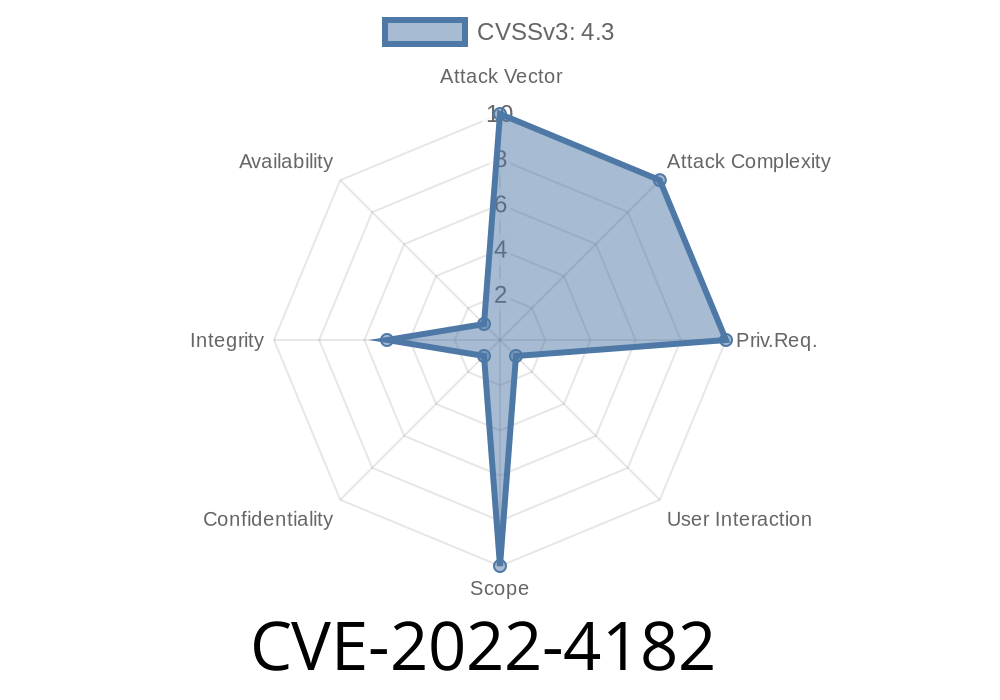
Google Chrome is known for its fast pace of development and tight security controls. However, like any complex software, it sometimes has vulnerabilities. In this long read, we'll look at CVE-2022-4182, a high-profile bug involving Chrome's Fenced Frames, explain how it happened, and break down how attackers could have abused it before it was fixed in version 108..5359.71.
What Are Fenced Frames?
Fenced Frames are a relatively new web platform feature in Chromium. They let websites embed third-party web content while preventing data leaks between the embedded content and the host page. Think of them like trust barriers—a more secure version of <iframe>. Ideally, even if the embedded page is malicious, it can’t access sensitive info or break out of its protected box.
What’s the Risk?
If restrictions on Fenced Frames are bypassed, it's like knocking down a fence in your backyard. Suddenly, anything in that area can get to your house—or your guests. The risk is that a remote attacker could trick Chrome into exposing or allowing access to data, scripts, or behaviors that should have been off-limits.
The Vulnerability: Inappropriate Implementation
According to the Chromium bug tracker and CVE details, the flaw was due to mishandling how Chrome applied restrictions to Fenced Frames. Particularly, it let crafty attackers create a special HTML page that didn’t respect those sandbox walls.
The vulnerability is rated Medium severity by Chromium, but that doesn’t mean it was harmless—especially for folks building ad platforms or embedding authored content.
Technical Details
The root problem was that certain frame restrictions could be "bypassed" using specific HTML structures or JavaScript calls. The browser wasn't fully enforcing the isolation it should have. If an attacker got a user to visit a specially-made page, they could potentially:
Example Exploit
The Chromium team marked this bug as "inappropriate implementation" but didn't provide full public exploit details. However, with a simplified model and public patch notes, here is how a basic PoC could work:
<!-- crafted.html: Attacker's malicious page -->
<fencedframe id="myFencedFrame" src="https://trusted.example.com"></fencedframe>;
<script>
document.getElementById('myFencedFrame').contentWindow.postMessage(
    'Bypassing fences!', '*'
);

window.addEventListener('message', function(event) {
    // Improper validation could allow attacker content to act outside fenced frame
    alert('Message from inside fenced frame: ' + event.data);
});
</script>
Before Chrome 108..5359.71, the browser might not fully block or isolate the postMessage event or leak data triggered from inside the fenced frame, depending on how the page and frame were set up.
How Did Google Patch It?
Google updated Chrome’s fenced frame implementation to close the loophole. The details can be traced in the Chromium repo via this commit.
After the fix, Chrome enforces stricter checks on communication and sandboxing of Fenced Frames. Any attempts at boundary-jumping (like the postMessage above) are either blocked or do not leak any data.
Who could be affected?
Any site that relies on embedding third-party pages using Fenced Frames for privacy or security—ad platforms, federated login providers, or content aggregators.
What could attackers do?
Trick users into a malicious page that scraped content or broke privacy, possibly even perform drive-by attacks if other bugs were chained.
Always stay up to date with Chromium’s security releases and advisories
- Use Fenced Frames as part of a "defense in depth" strategy—don’t trust them as your only security boundary!
References
- Chromium Issue 138619
- CVE-2022-4182 - NVD
- Google Chrome Release Blog
- Patch Commit
Conclusion
The lesson? Even new, promising web technologies like Fenced Frames can have cracks in the wall. CVE-2022-4182 is a reminder to keep browsers updated, but also to design for layers of security. With more web features coming all the time, don't let "fenced" make you think "invincible!"
Timeline
Published on: 11/30/2022 00:15:00 UTC
Last modified on: 05/03/2023 12:16:00 UTC