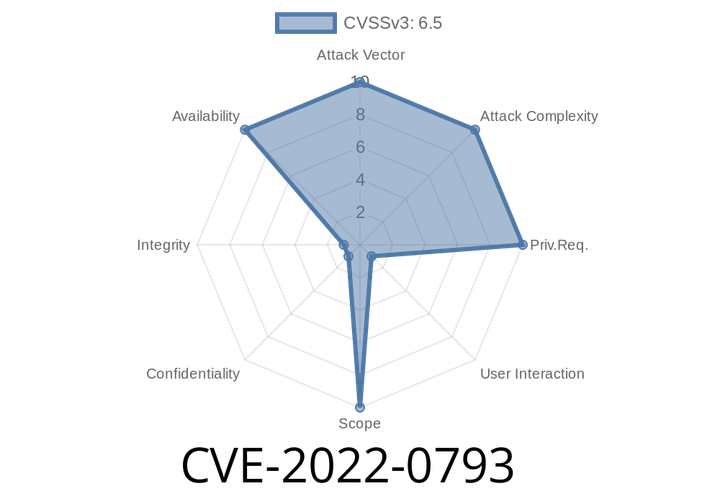
CVE-2022-0793 - Exploiting "Use After Free" in Google Chrome Cast via Malicious Extensions
Google Chrome, used by billions worldwide, always remains a hot target for attackers. One critical flaw identified as CVE-2022-0793 affected Chrome’s Cast
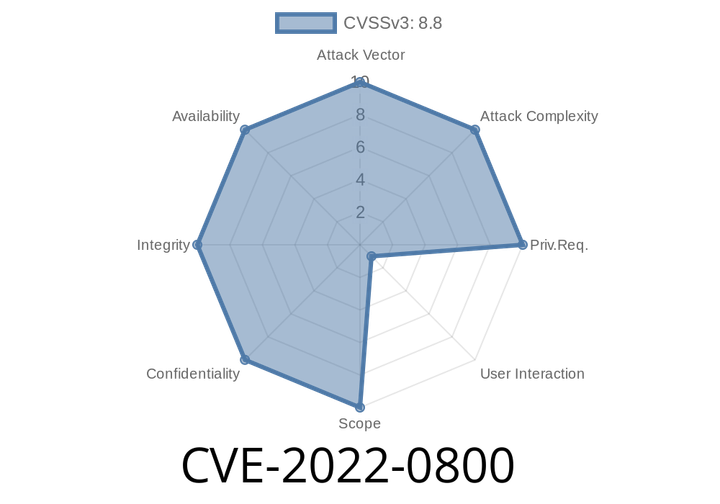
CVE-2022-0800 - Heap Buffer Overflow in Cast UI of Google Chrome: Exploit Details, POC and Mitigation Steps
CVE-2022-0800 is a recently disclosed vulnerability in Google Chrome, specifically affecting the Cast UI component prior to version 99..4844.51. This vulnerability
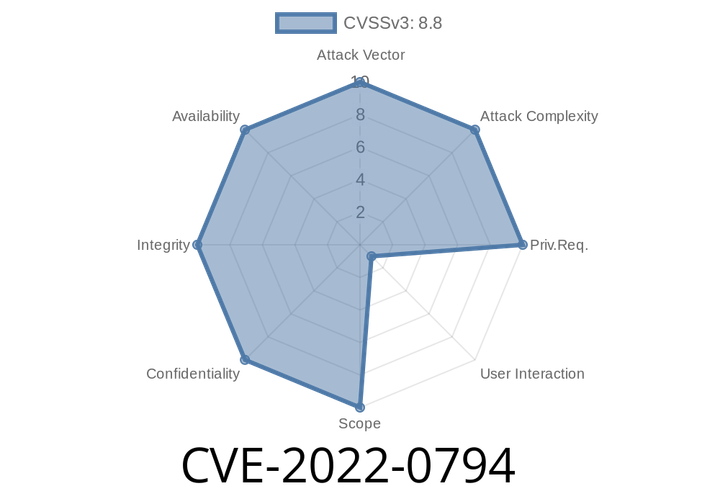
CVE-2022-0794 - Cracking Open the WebShare Use-After-Free Bug in Chrome (<99..4844.51) – Exploit Details & Simple Breakdown
When browsing the web in Google Chrome, most folks rarely think about what’s happening under the hood. But in early 2022, security researchers uncovered
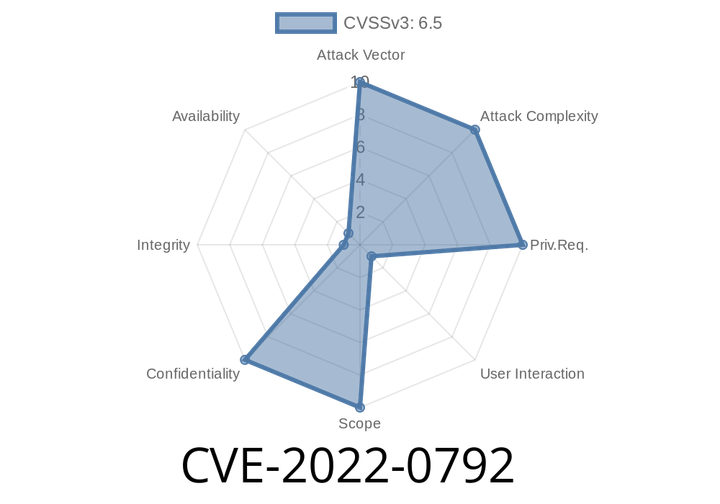
CVE-2022-0792 An out of bounds read in ANGLE before 99.0.4844.51 could lead to heap corruption.
CVE-2016-9144 In Google Chrome prior to version 68.0.3440.75, when an extension attempts to open a page via a malformed URL,
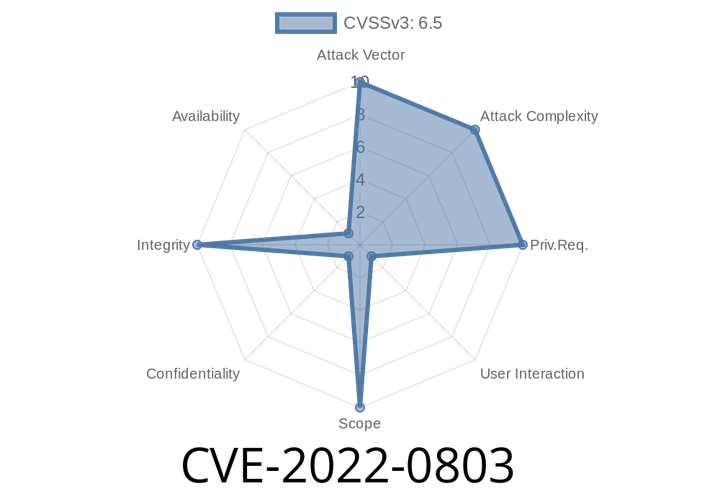
CVE-2022-0803 An attacker in earlier versions of Chrome could tamper with the Omnibox by crafting a page.
This issue has been fixed in the latest version of Google Chrome. Incorrect implementation in Permissions in Google Chrome prior to 99.0.4844.51
Episode
00:00:00
00:00:00