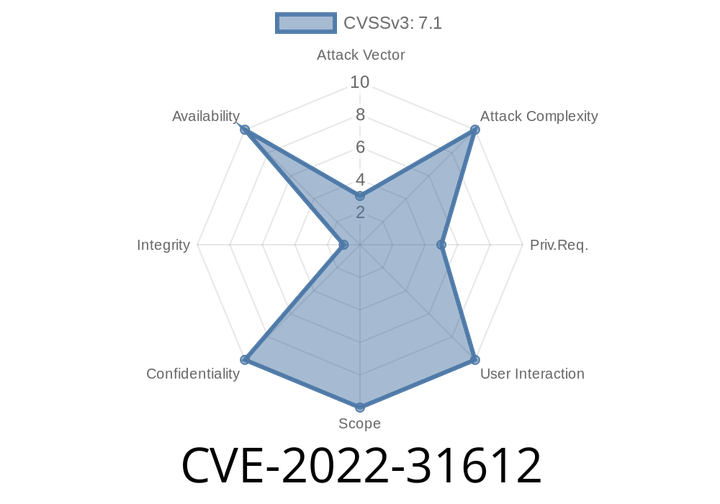
CVE-2022-31612 An NVIDIA GPU Display Driver contains a vulnerability in the kernel mode layer handler for DxgkDdiEscape where a local user with basic capabilities can cause an out-of-bounds read which may lead to a system crash or a leak of information.
This issue is rated as critical due to the possibility of remote code execution. End users running virtualization software that emulates hardware, such as Microsoft
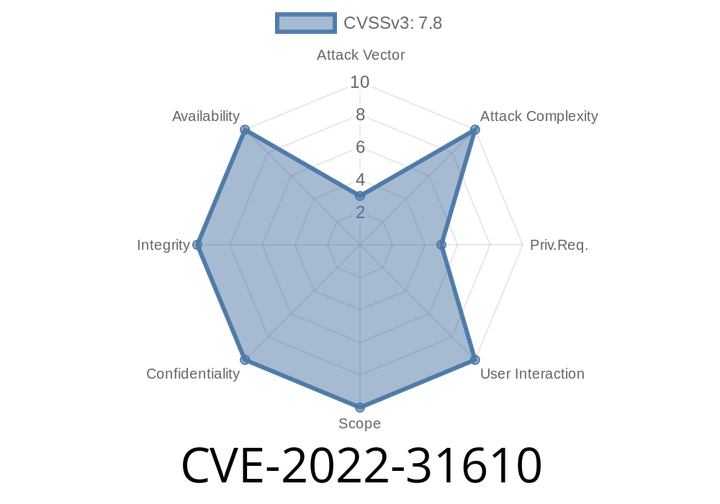
CVE-2022-31610 An issue has been found in the NVIDIA GPU Display Driver. An attacker with local user access can cause an out-of-bounds write, which may lead to code execution or denial of service.
This issue affects Windows 7 and later, Windows Server 2008 and later, Windows Vista and later, and MacOS Sierra and later.
An attacker can exploit
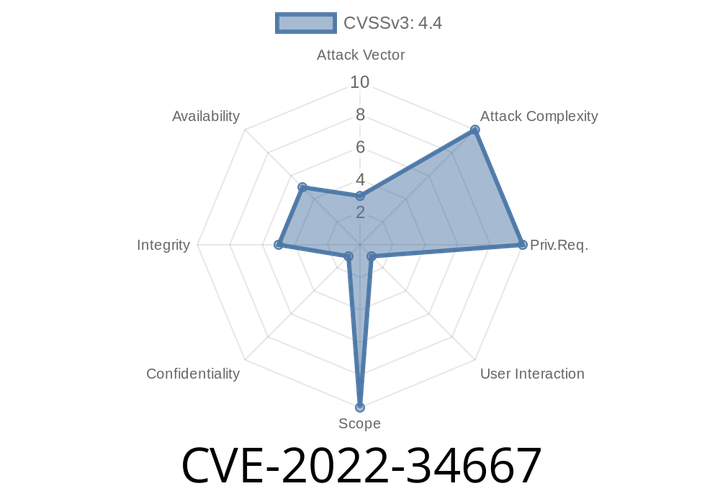
CVE-2022-34667 The NVIDIA CUDA Toolkit SDK contains a stack-based buffer overflow vulnerability exploited by an unprivileged remote attacker who can convince a local user to download a specially crafted corrupted file.
NVIDIA CUDA software is typically installed on Linux or Windows servers. Therefore, most of the vulnerable software packages on these operating systems are not updated
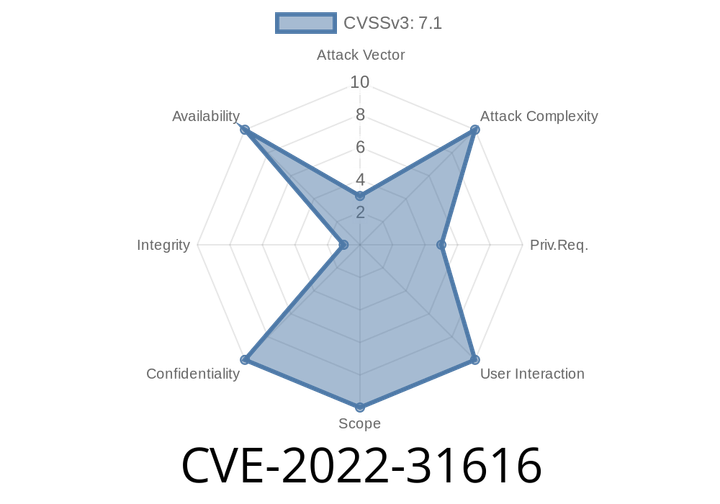
CVE-2022-31616 An NVIDIA GPU driver has a vulnerability that a local user with basic capabilities can cause an out-of-bounds read, which may lead to denial of service or information disclosure.
Workaround:
There is no known workaround at this time.
CVE-2017-5753: The Virtual Reality (VR) function in the Display Driver had an issue where
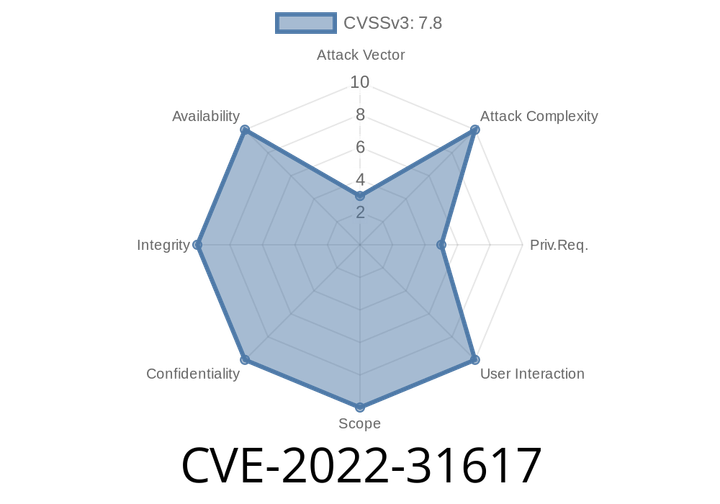
CVE-2022-31617 The NVIDIA GPU Display Driver has a vulnerabilty that a local user with basic capabilities can cause an out of bounds read, which may lead to code execution, den
h of service, or
escalation of privilege.
To view this vulnerability in action via a proof-of-concept (PoC) exploit, see the nvidia.com homepage. This vulnerability is rated as critical to
Episode
00:00:00
00:00:00