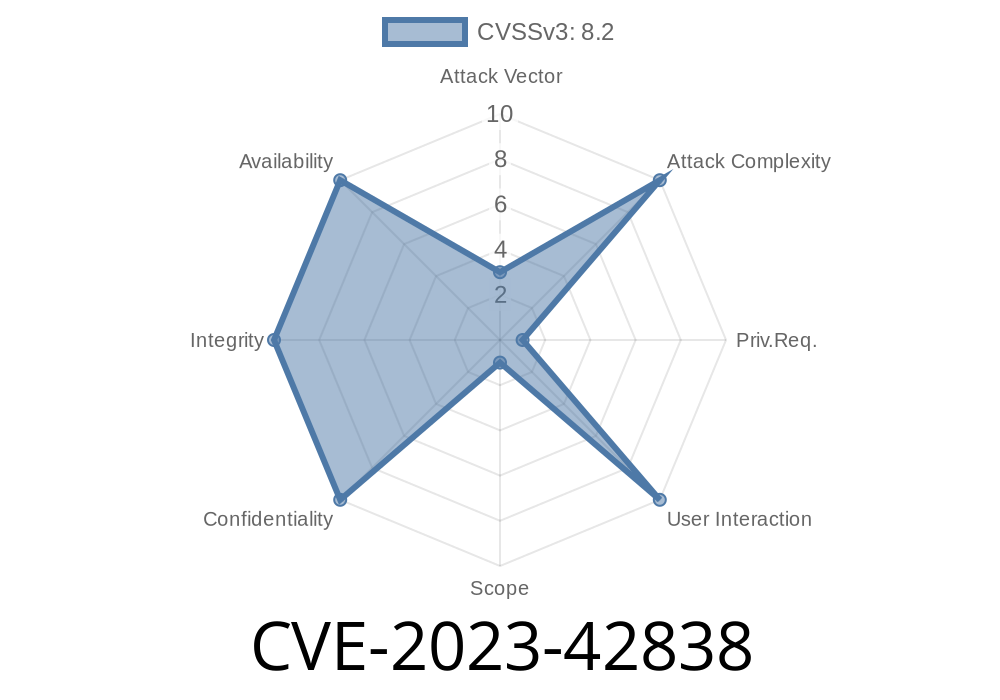
In October 2023, Apple patched a significant security vulnerability titled CVE-2023-42838. This flaw affected multiple versions of macOS, creating a way for malicious apps to break out of the operating system’s secure sandbox environment. Let’s dig into what this means, how the vulnerability could be exploited, and what you should do to stay safe, all explained in straight, simple language.
What Exactly Is CVE-2023-42838?
The macOS sandbox is like a protective bubble around apps, stopping them from messing with each other or the deeper parts of the operating system. Think of it as a security fence. CVE-2023-42838 is a bug in that fence.
In simple terms:
*An app could run code outside its bubble or get extra powers it’s not supposed to have.*
This kind of bug is dangerous because it may let bad apps steal your data, mess with your files, or even take over your computer.
How Did Apple Fix It?
Apple fixed this hole in the fence by improving how the sandbox works (they call this “improvements to the sandbox”). If your Mac is running any of the following, you’re safe:
macOS Monterey 12.7.2
> If you haven’t updated yet, it’s time.
> Update your Mac now!
Who Discovered CVE-2023-42838?
This vulnerability was published in the Apple security update notes, but as of now, Apple has not publicly credited a specific security researcher as the discoverer in their security update notes.
Official Apple references
- security update for macOS Monterey
- security update for macOS Ventura
- security update for macOS Sonoma
Exploit Details: What Could Attackers Do?
Below is a hypothetical and simplified version of what this type of bug could look like at a code level (Apple has not published the real exploit code):
Suppose you have a malicious Mac app that tries to access restricted resources (like the camera, microphone, or system files) via a loophole in macOS’s sandbox.
Simple example in Swift (for illustration)
import Foundation

let restrictedPath = "/System/Library/PrivateFrameworks/"
let fileManager = FileManager.default

do {
    // Try to list files in a system directory (should be forbidden in the sandbox)
    let contents = try fileManager.contentsOfDirectory(atPath: restrictedPath)
    print("Restricted files: \(contents)")

    // Try to execute privilege escalation code (theoretically)
    let task = Process()
    task.launchPath = "/usr/bin/id"
    task.arguments = []
    task.launch()

} catch {
    print("Access denied: \(error)")
}
Normally, this code would be blocked by the sandbox.
Due to CVE-2023-42838, an attacker might be able to bypass sandbox checks and list, read, or modify files outside the allowed directories, or run system commands with elevated privileges.
How Serious Is It?
This is a *high severity* security bug. Even if you’re careful about what you download, attacks sometimes come in through software updates, browser plugins, or email attachments. The best way to stay protected is keep your Mac up to date.
More References
- Apple’s official CVE-2023-42838 advisory
- macOS security updates – full Apple listing
- The MITRE entry for CVE-2023-42838
Final Thoughts
CVE-2023-42838 is a reminder: even Apple’s walled garden needs repairs sometimes. By patching quickly, Apple keeps users safe, but only if you install those updates.
Bottom line?
Don’t wait, patch now. This vulnerability allowed apps to break free from their sandboxes—potentially putting your whole Mac at risk. Staying up to date is your best protection!
Timeline
Published on: 02/21/2024 07:15:48 UTC
Last modified on: 08/09/2024 16:35:01 UTC