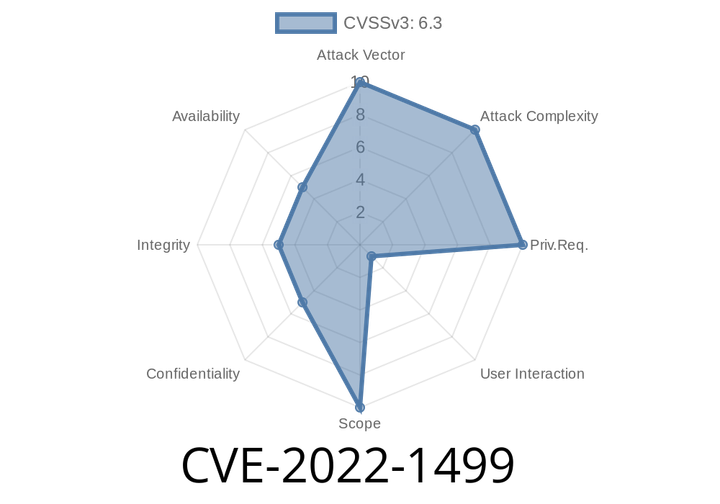
CVE-2022-1499 Inappropriate implementation in Google Chrome prior to 101.0.4951.41 allowed a remote attacker to bypass same origin policy.
CVE-2017-5244 In the WebAuthn authenticator, the handling of unverified requests during the initial interaction flow has been improved. This issue is known as
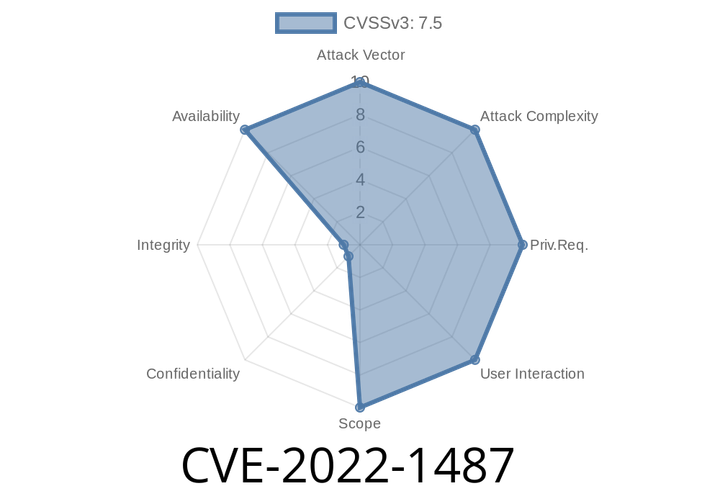
CVE-2022-1487 An Ozone vulnerability in Chrome prior to 101.0.4951.41 could lead to heap corruption if a Wayland test is run.
CVE-2017-7517 was originally reported as a potential crash in the WebGL rendering engine. However, a later inspection revealed that it is actually a
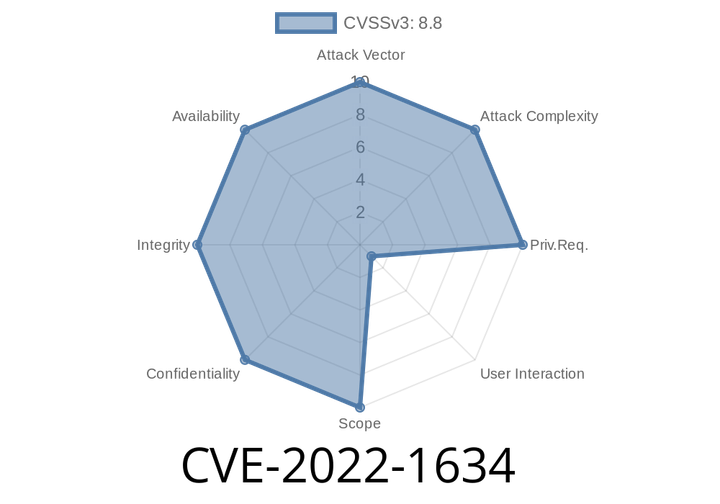
CVE-2022-1634 After free in the Browser UI of Google Chrome prior to 101.0.4951.64 allowed a remote attacker to exploit heap corruption.
CVE-2018-4878 was discovered by Gary Steele. After the heap corruption occurs, the attacker can force the browser to crash or execute arbitrary code
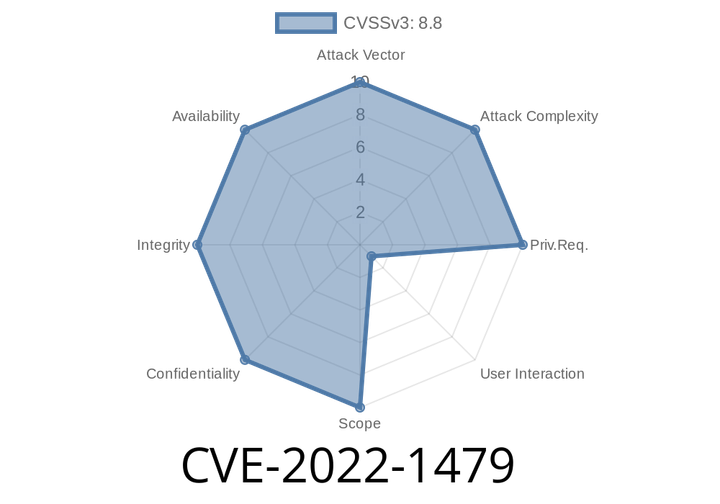
CVE-2022-1479 An attacker can exploit heap corruption in Google Chrome before 101.0.4951.41 to get remote access.
This issue was fixed in version 49.0.4109.92. Note: This issue was initially reported as fixed in version 49.0.4109.75, but
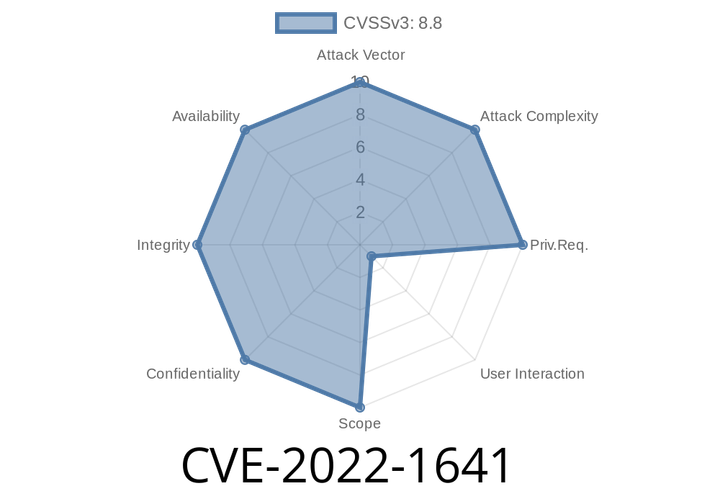
CVE-2022-1641 In Web UI Diagnostics, Google Chrome on Chrome OS prior to 101.0.4951.64 allowed a attacker who convinced a user to perform specific interactions to potentially exploit heap corruption.
CVE-2017-5129 Mitigation for CVE-2017-5129: Chrome OS prior to version 101.0.4951.64 allowed a remote attacker to potentially exploit heap
Episode
00:00:00
00:00:00