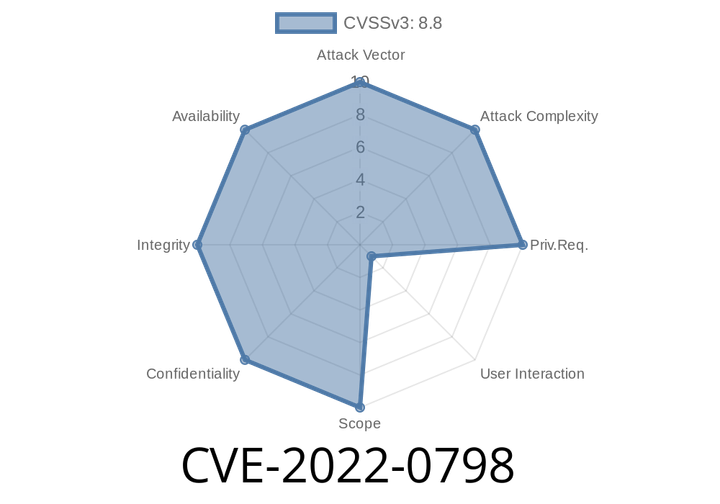
CVE-2022-0798 An attacker who convinced a user to install a malicious extension could exploit heap corruption on Chrome.
Note that with cross-origin resources, the risk of this issue is limited to the domain where the vulnerable extension is hosted. In addition, Chrome PNa
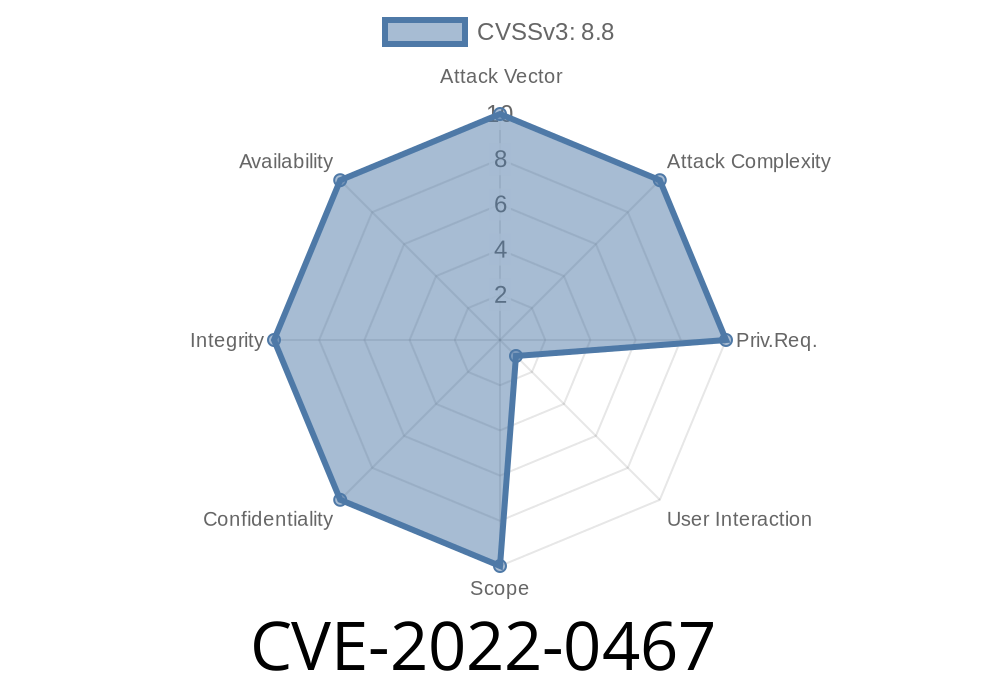
CVE-2022-0467 Inappropriate Pointer Lock implementation allowed a remote attacker to bypass navigation restrictions.
A warning message about the security warning about the SSL/TLS protocol when accessing a Google site was displayed incorrectly in Pointer Lock in Google
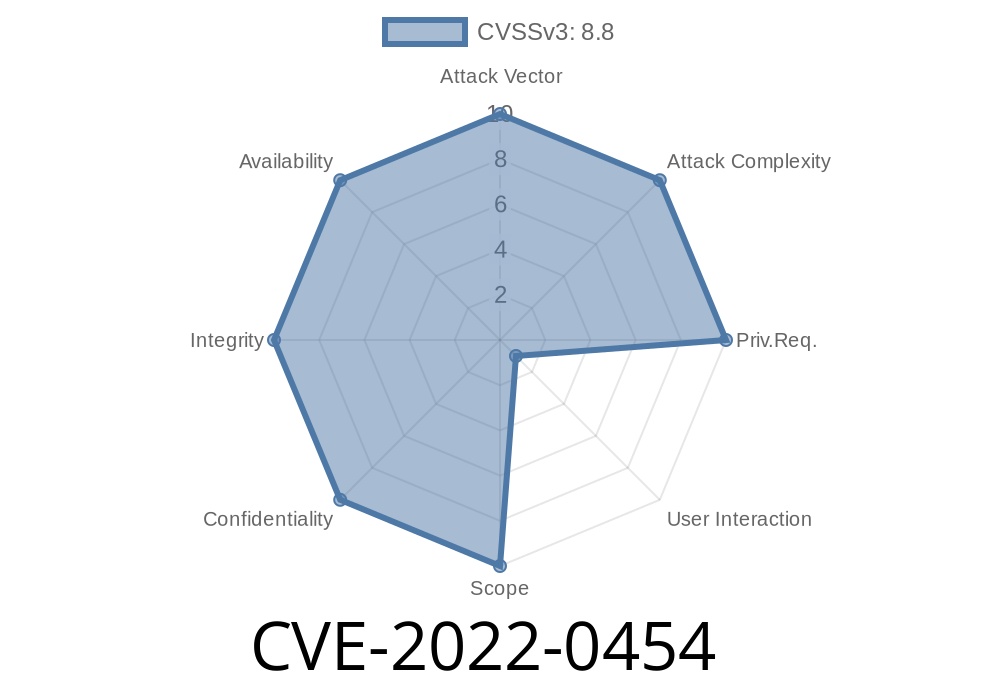
CVE-2022-0454 Heap buffer overflow in ANGLE prior to 98.0.4758.80 allowed a remote attacker to exploit heap corruption.
CVE-2018-6040 had been addressed in this revision. Google informed users via the following security blog post: “An issue was discovered in certain configurations of Google
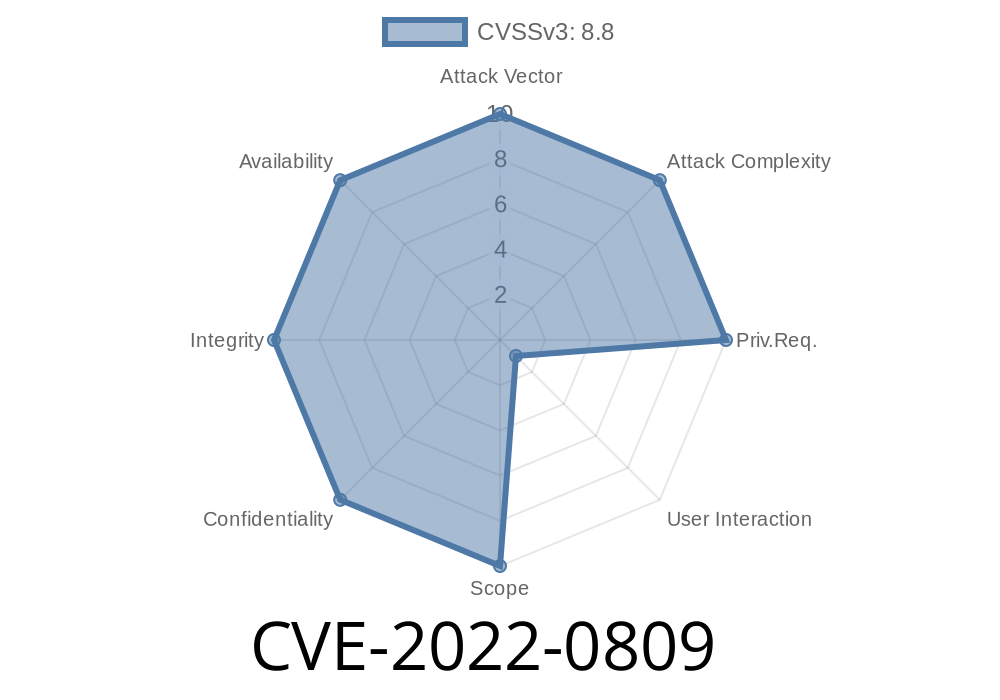
CVE-2022-0809 In WebXR, out of bounds memory access allowed a remote attacker to exploit heap corruption.
This issue was fixed in version 99.0.4844.51. Google determined that this issue did not pose a significant security risk as no remote
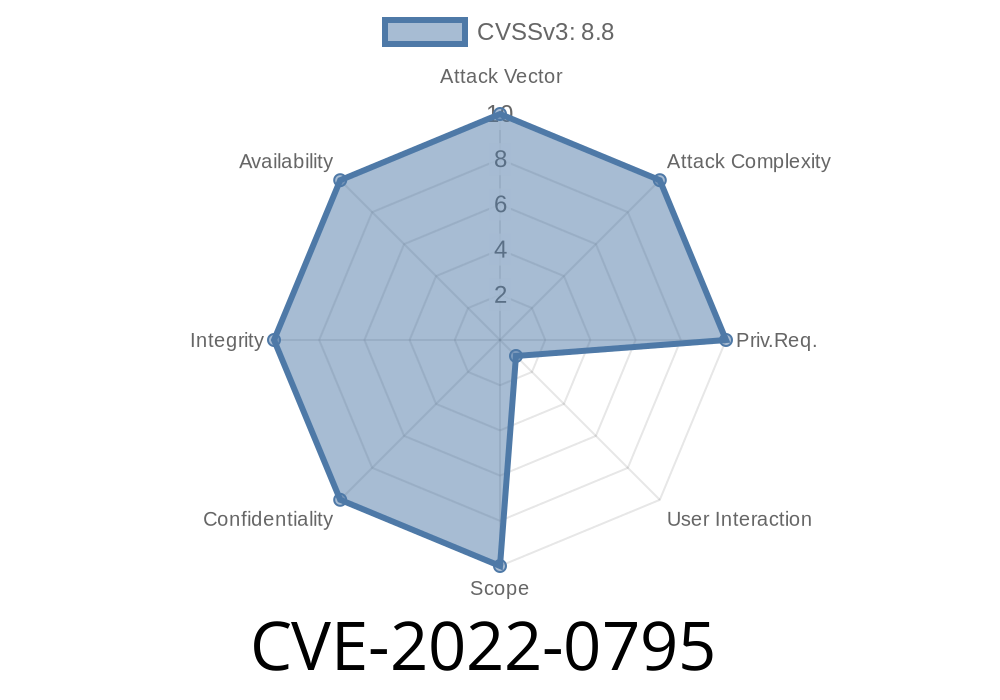
CVE-2022-0795 Heap corruption could be exploited via a crafted HTML page in Google Chrome prior to 99.0.4844.51.
CVE-2017-15418 In Blink, in the Web Inspector, Google Chrome prior to version 66 allowed attackers to inject scripts or HTML into a module via the
Episode
00:00:00
00:00:00