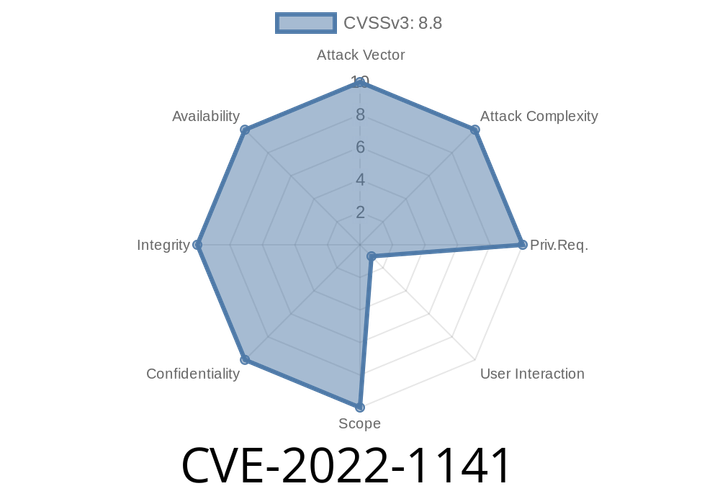
CVE-2022-1141 - Exploiting a Use-After-Free in Chrome’s File Manager (Prior to 100..4896.60)
Google Chrome stands as one of the world’s leading browsers, but even giants have weak moments. CVE-2022-1141 is a “use-after-free”
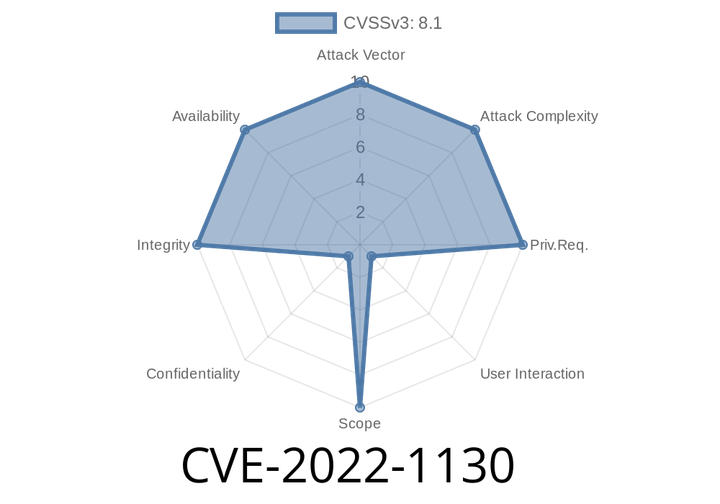
CVE-2022-1130: Critical Vulnerability in WebOTP in Google Chrome on Android - Potential for Remote Attackers Sending Arbitrary Intents
In this long-read post, we will be discussing a critical security vulnerability identified as CVE-2022-1130. The issue lies in the insufficient validation
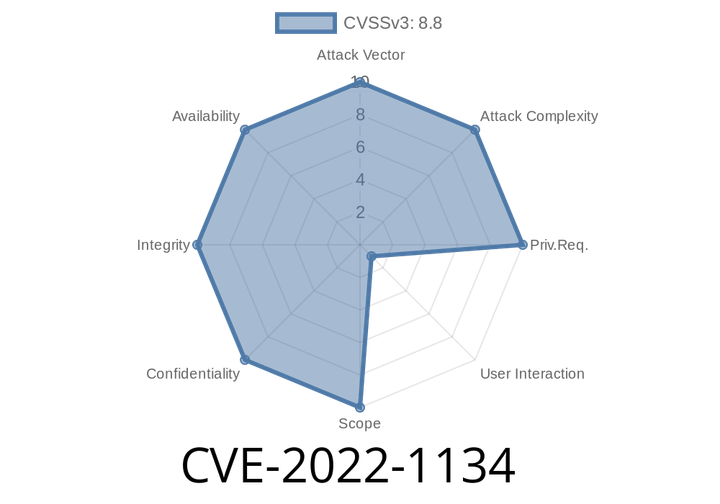
CVE-2022-1134 - Breaking Down a Type Confusion Bug in Chrome's V8—Exploiting Heap Corruption with Malicious HTML
Google Chrome stands as one of the world’s most popular browsers, but even the toughest software has hidden weaknesses. In early 2022, security researchers
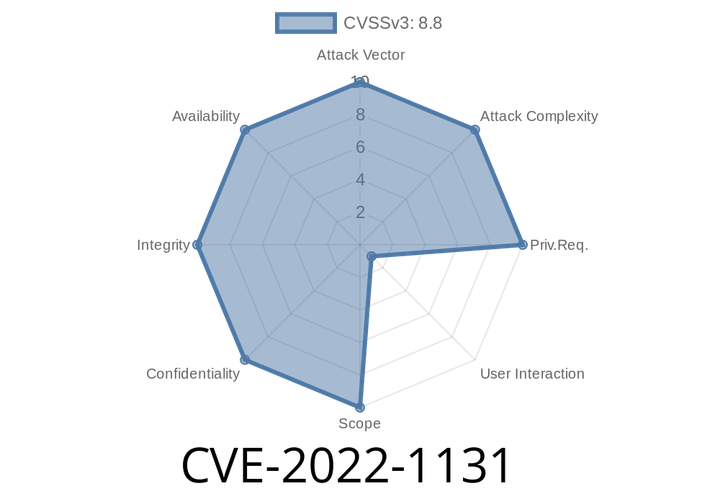
CVE-2022-1131 - Understanding the Google Chrome Cast UI Use-After-Free Vulnerability
In early 2022, a critical security vulnerability was discovered in Google Chrome affecting the Cast UI component. Known as CVE-2022-1131, this flaw allowed
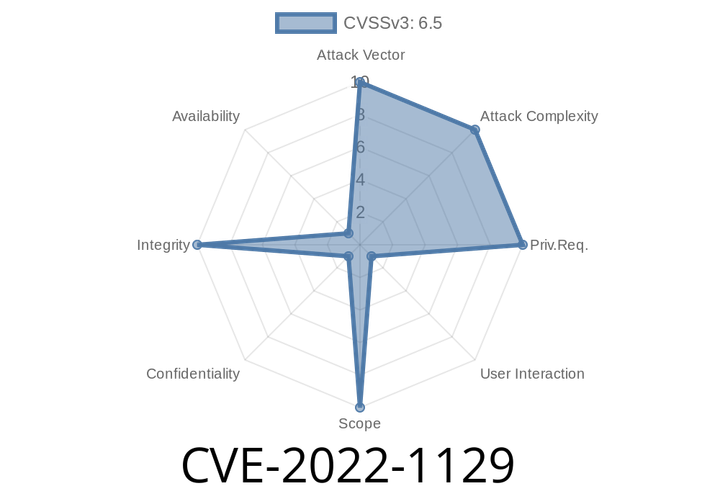
CVE-2022-1129 Inappropriate implementation in Google Chrome on Android before 100.0.4896.60 allowed a remote attacker to spoof the contents of the Omnibox.
This issue was addressed by disabling Full Screen in Google Chrome on Android prior to version 100.0.4896.60. Google Chrome prior to version
Episode
00:00:00
00:00:00